
There are many tools in indoor training spaces that help with body control and movement. Gym equipment is made to help people work out, keep track of their weight, and lower their risk of getting hurt. People with different levels of experience use the same machines in different ways. The different kinds of gym equipment, how to use them, and how to structure your workouts in a gym.
The main purpose of gym equipment
The target of gym equipment is to help people move around. Each tool limits or guides movement, which helps the body work in a planned way. When you work out at the gym, you’re in a controlled space, which is different from when you do outdoor activities. The weight, speed, and angle are changed to fit the person’s physical condition.
Safety and repeatability are the main goals of equipment design. Someone can do the same exercise over and over with the same weight. This helps keep track of progress over weeks and months. You can also use gym machines to work out certain muscle groups without having to work out your whole body.
Another objective is to save space. You can do many different exercises in one room because the equipment can do more than one thing. This makes gyms a good choice for cities with limited space.
Tools for Strength Training
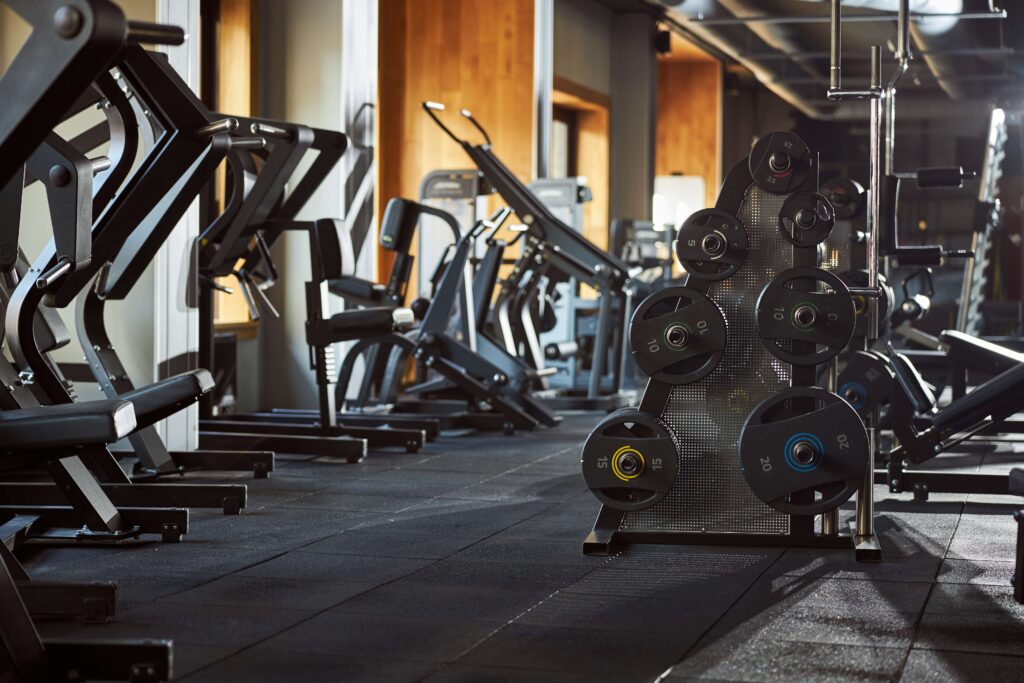
Strength training equipment works by adding resistance. Weights, plates, or built–in stacks can all cause resistance. Movement is slower and more controlled. Muscles work against force, which causes tension and change.
Machines direct movement along set paths. This helps people who are just starting out learn simple patterns. You can move naturally with free weights, but you need to be able to balance and coordinate. Most gyms have both kinds.
People often group strength equipment by the parts of the body they work on. Machines for the lower body work on the hips and legs. Upper body workouts the arms, chest, shoulders, and back. Core equipment helps the muscles in your lower back and abdomen.
Some common strength training equipment is:
- weight stack machines that let you change the resistance
- free weights like barbells and dumbbells
- benches and racks to help and hold things in place
Resting between sets is an important part of strength training. To avoid getting too tired, people switch between work and rest. It matters more to have good form than to lift heavy weights.
Equipment for Cardio Training
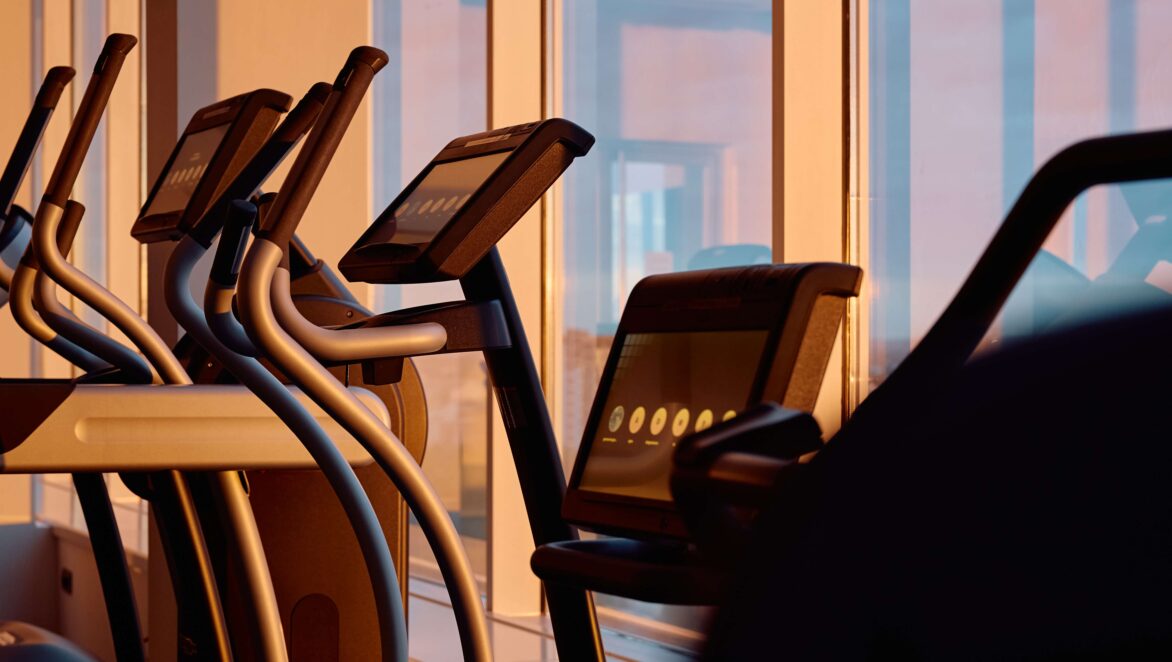
Cardio machines help the heart and lungs work. There is always movement, and it is rhythmic. Usually, training takes longer than strength sessions. The speed and resistance change depending on how fit you are.
Machines mimic natural motions such as cycling or walking. Using it indoors takes away the weather’s effect. This makes it possible to train consistently all year.
Cardio zones and weight areas are usually not the same. The noise level and the motion are not the same. Some people like machines that are quiet, while others like machines that make noise.
Cardio exercise helps you burn calories and build endurance. It also helps with recovery days between strength training sessions. Many people who go to the gym do both cardio and resistance work in one visit.
Open and functional training areas
Machines aren’t used in all training. You can move around freely and do bodyweight exercises in open spaces. There are many mats, small tools, and open floor space here.
Functional training is all about how you move. Exercises copy things you do every day, like lifting, bending, or reaching. Balance and coordination are two important parts.
Open zones can change. During the day, one area can be used for different things. Here, both group sessions and individual practice take place.
How training works in gyms
There is usually a structure to gym training. Warm–up gets muscles and joints ready. Main work has specific goals. Cool–down helps you get better.
People choose structure based on how much time they have and how much experience they have. Plans for beginners are easy to follow. Advanced users make complicated routines.
A basic workout at the gym usually includes:
- Get ready by moving around or stretching lightly.
- main training block with equipment or open space
- Take it easy by moving and breathing slowly.
Different amounts of time are spent on each part. Short sessions are focused on one thing. Longer visits let you work on your whole body.
Adjusting and making sure equipment is safe
Setting up equipment correctly is important for safety. The seats, handles, and weight pins must fit your body size. Adjusting things wrong raises the risk of injury.
Most machines come with visual instructions. Diagrams show where to start and which way to move. People still need attention and control.
It’s also important to keep things up. Safety goes down when cables are worn or parts are loose. Hygiene and comfort are helped by clean equipment.
One of the rules at the gym is to wipe down the equipment after using it. This keeps users and the surface of the equipment safe.
What Makes Home and Gym Equipment Different
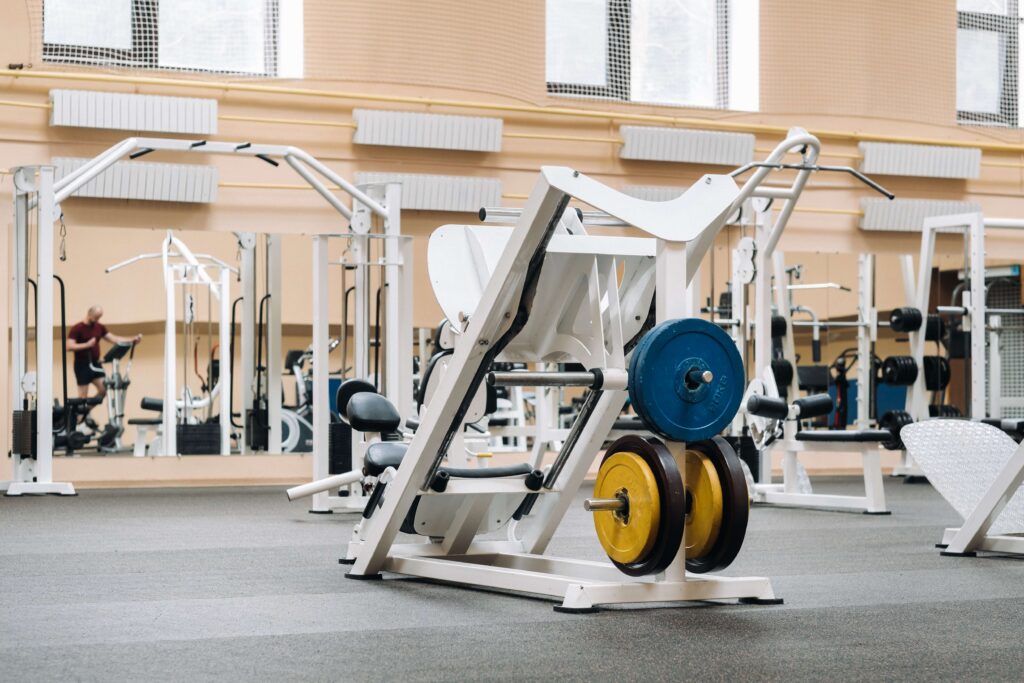
Space limits the amount of home equipment you can have. Gyms have a lot of different types of equipment and weights. This feature lets you make progress over time without having to buy new tools.
People use gym machines a lot. The materials are stronger and last longer. There are more options for making changes.
At home, self–discipline is what keeps you motivated. The gym gives you a routine and a place to meet people. This has an effect on consistency.
The Role of Equipment in Long–Term Training
Equipment helps you move forward. Over time, weight goes up. As you adapt, speed and resistance change. It becomes possible to keep track of progress.
It’s harder to measure progress without tools. Gym tools have numbers and settings that make it easy to see changes.
Equipment doesn’t replace knowledge of how to move. Awareness and technique are still very important. The body still does the work, but machines help.
Choosing the right equipment and how it works for you
People choose equipment based on how comfortable it is and what they want to do with it. Some people stay away from machines they don’t know how to use. Some people like to use tools they know.
The more you use it, the more experience you get. When movements feel natural, confidence grows. With time, using equipment becomes second nature.
The equipment at the gym affects how people train. It tells people how to move, rest, and talk to each other in space. In modern gyms, tools and structure work together to make it safe for people to exercise.