
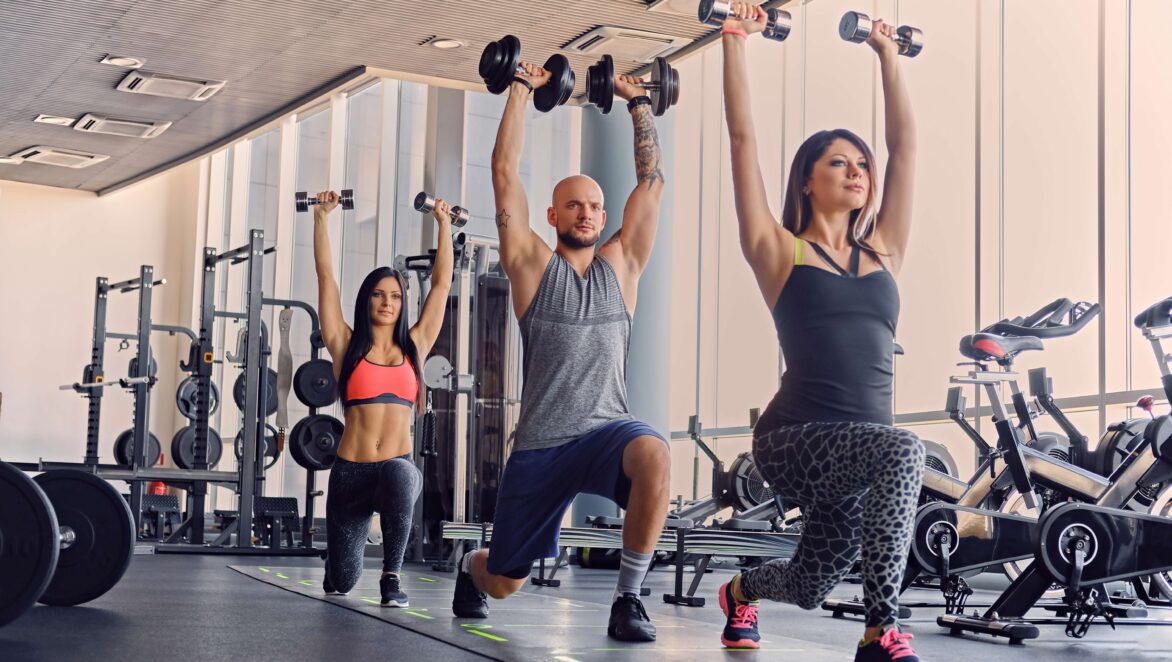
People go to the gym to do the same exercises over and over again, which slowly changes their bodies. Training routines tell you what order to do exercises in, how often to do them, and when to rest. Training at the gym isn’t just moving around. It is an activity that is planned and takes place in a controlled space. Gym workouts help the body adapt, and having a plan is crucial for maintaining fitness over time.
What a Training Routine Means in Gyms
A training routine is a plan for doing the same physical things over and over. It includes the kind of exercise, the order, the weight, and the rest. In gyms, routines help you use your time and energy more effectively. Training is hard to measure and not always consistent when there is no structure.
Routines can be short or long. Some focus on moving one part of the body, while others focus on moving the whole body. The frequency is also different. Some people work out every day, while others only do it a few times a week.
Most people write down or remember their gym routines. They become automatic over time. This lessens the stress of making decisions and helps you focus more on the quality of your movement.
How the body adapts to training over and over
When the body is put under a lot of stress, it changes. Muscles get stronger, the heart rate response gets better, and coordination gets better. This is what adaptation is.
Adaptation does not occur instantaneously. It needs to be stimulated over and over again, followed by rest. Not enough stress doesn’t change anything. Stress can make you tired or hurt. Gym routines help keep this balance in check.
Age, experience, and how you recover also play a role in adaptation. At first, beginners learn faster. To keep making progress, advanced users need to plan more carefully.
Different kinds of gym workouts
There are different types of gym routines based on what you want to achieve. The order and type of exercise you do depend on your goals. Names may be different, but the logic is the same at all gyms.
Routines that focus on strength use more weight and fewer repetitions. Endurance workouts use less weight and last longer. Mixed routines have both.
Some common directions for routines are:
- routines that work on building muscle strength and size
- routines that work on heart and lung endurance
- routines that focus on movement and mobility control
After a few weeks, people often change their routines. This stops things from getting stuck and helps new things adapt.
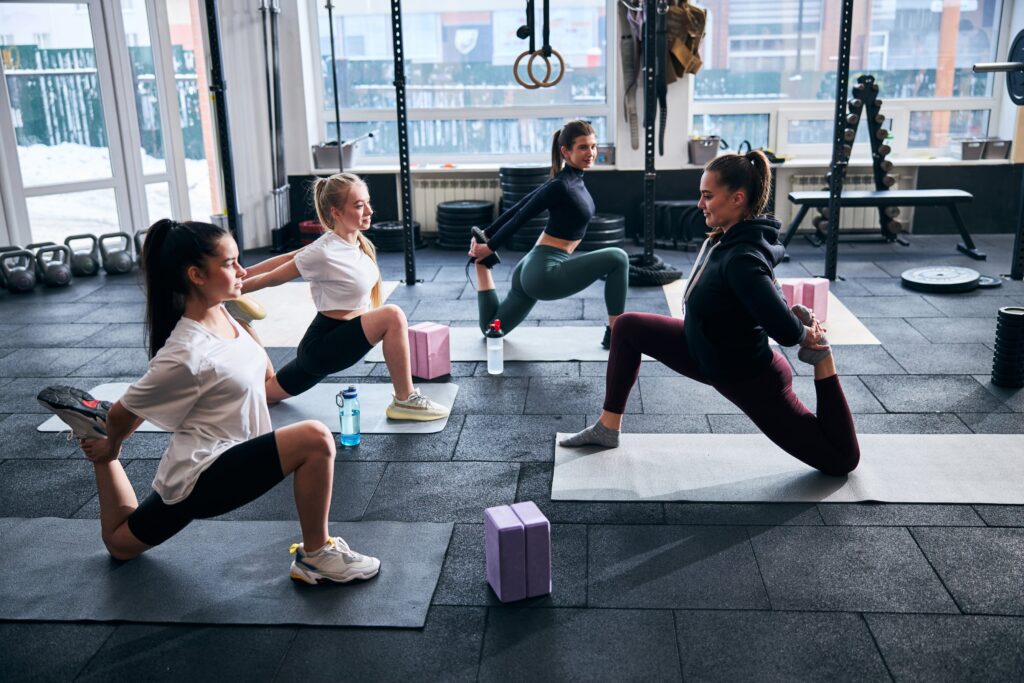
Weekly Training and Structure
Weekly structure tells you how often training takes place. Some routines happen every two days, while others happen once a week. How often you do something affects how quickly you recover and how much energy you have.
Working out the same muscle every day speeds up recovery. Switching between muscle groups lets you rest while still being active. Full–body workouts spread the load evenly, but you need to be careful about how hard you work out.
Days off from training are a normal part of the routine. They help the body heal tissue and the nervous system. Not getting enough rest lowers the quality of adaptation.
Phase of Warm–Up and Preparation
Warm–up gets the body ready to work. It makes blood flow better, joints move better, and your mind sharper. Not warming up raises the risk of getting hurt.
Usually, the warm–up is short. It includes light cardio, mobility drills, or simple sets of the main exercises. The intensity goes up slowly.
Setting up equipment and being aware of your surroundings are also part of the preparation phase. Putting things in the right place saves time and cuts down on mistakes.
The Main Phase of Training
The main phase has planned exercises. Order is important. It’s common to work out larger muscle groups before smaller ones. Before simple movements, there are complex ones.
Choosing the right load is important. Weight should test form but not break it. Controlled movement helps activate muscles and keep joints safe.
Resting between sets controls how hard you work. Short breaks make the demand for endurance higher. Resting for longer helps strength output.
The Recovery and Cool–Down Phase
After the main work is done, recovery starts. Cool–down lowers heart rate and relaxes muscles. It includes moving slowly, stretching, or controlling your breathing.
Recovery also goes on outside of the gym. The body reacts differently to training depending on how well you sleep, eat, and drink.
Adaptation stops when you don’t recover. You get more tired and less motivated.

Keeping track of progress in gym routines
Keeping track of progress helps you understand how to adapt. Numbers tell you what to do. Common signs are weight, repetitions, and time.
Some people write things down in notebooks, while others remember them in their heads. Just being aware can help you be more consistent.
Not all progress is straight. Some weeks get better, while others stay the same. This is normal.
Common Errors in Training Regimens
Mistakes make things take longer and raise the risk. A lot of them happen because of bad planning or not being patient.
Common mistakes that happen all the time are:
- doing the same thing over and over without changing it for too long
- not paying attention to the need for rest and recovery
- putting on more weight faster than your technique can handle
Correction needs focus and change. Part of learning is paying attention to what your body is telling you.
Individual Variations in Routine Design
There is no one–size–fits–all routine. Design is based on body type, history, and personal taste. Some people like doing the same thing over and over, while others need to change things up.
Comfort and realism are important for routine success. Plans that don’t take daily life into account don’t last long. Simple routines tend to last longer.
Adaptation is unique to each individual. Comparing yourself to others isn’t as helpful as looking at yourself.
Gym Routines as Regulated Physical Systems
Gym training routines create systems of movement that are controlled. They find a balance between stress and recovery, change and repetition. The structure, space, and equipment all work together.
Routine makes physical adaptation more predictable. This makes it possible to train safely and effectively over time. Gyms give you a place to work out, but routines give movement meaning.